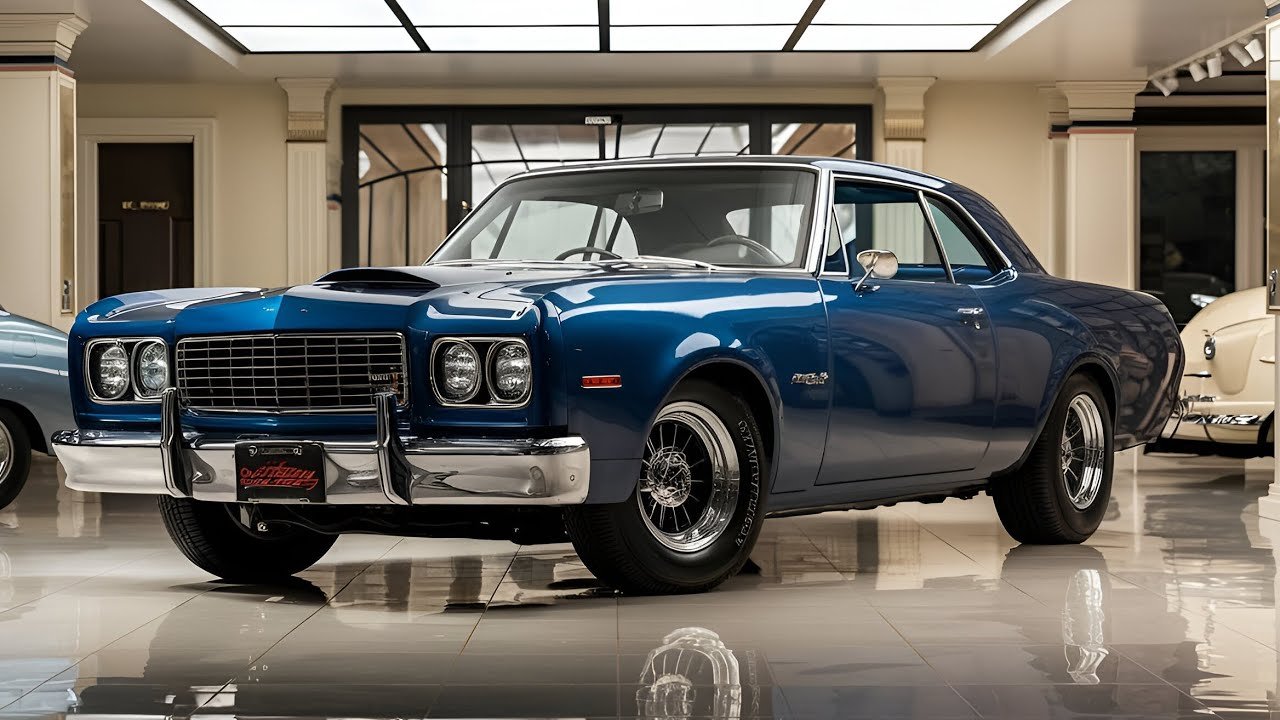
2026 Plymouth Fury: For decades, the Plymouth Fury existed only as a memory in the minds of classic-car enthusiasts. Its long absence from the automotive landscape left many wondering whether the name would ever grace a new model again. That question has finally been answered. For 2026, Plymouth is reviving the iconic Fury badge, giving American drivers a rare chance to experience a modern interpretation of one of the most recognizable muscle cars of the mid-20th century. The new model has been engineered to capture the spirit of the original while offering the technology, comfort, and safety features expected in a contemporary performance machine.
Design That Bridges Two Eras
One look at the 2026 Fury is enough to understand what Plymouth set out to achieve. The car carries a powerful stance that feels familiar to anyone who admired its predecessors. Its wide body, stretched hood, and athletic proportions echo the era when American muscle cars ruled the streets. Yet, the designers resisted the urge to create a pure retro replica. Instead, they blended these nostalgic cues with a sharper, more modern design language.

Slim LED headlights wrap around the corners with a crisp, purposeful look, contrasting with the broad front grille that nods to the Fury’s heritage. The side profile is smooth but muscular, with functional vents that improve airflow without distracting from its classic shape. At the rear, a sculpted deck lid and sleek lighting give the car a refined finish. The result is a model that pays tribute to the past but feels perfectly at home on today’s roads.

A Cabin Built for Drivers Who Appreciate Craftsmanship
Inside, the new Fury trades excess flash for thoughtful craftsmanship. The cabin leans into a clean, driver-focused layout that hints at the car’s vintage inspiration. The seats are finished in high-quality leather, and the dash incorporates metal accents that subtly recall the materials used in the 1960s. Instead of relying on heavy nostalgia, Plymouth created a calm, modern space that feels warm and familiar.
Technology still plays a major role. The center display and instrument cluster are merged into a continuous digital panel that spans nearly the entire width of the dashboard. The graphics are crisp and intuitive, offering everything from performance readouts to navigation. Despite this modern interface, the interior avoids the sterile, overly futuristic atmosphere seen in many new cars today. It manages to feel inviting, functional, and purposefully designed for the person behind the wheel.
Power That Honors Muscle-Car Tradition
Under the hood, the 2026 Fury promises the kind of performance its name deserves. Early industry indications suggest that the car will feature a 6.5-liter V8 with twin turbochargers, targeting an output near the 700-horsepower mark. Such numbers would place the Fury squarely in the territory of modern high-performance vehicles while preserving the classic rumble and presence associated with large-displacement American engines.
The engine is paired with a nine-speed automatic transmission that includes manual-shift paddles for drivers who want more control. Plymouth has also developed an adaptive suspension system designed to handle different driving conditions. Whether cruising on the freeway or exploring winding backroads, the system aims to deliver stability, confidence, and refined handling.
Technology That Enhances Everyday Driving
The Fury’s appeal stretches beyond raw power. Plymouth equipped the car with a substantial suite of driver-assistance technologies to bring it in line with today’s safety expectations. Adaptive cruise control, lane-keeping support, forward-collision alerts, and automatic emergency braking all come standard. A head-up display projects essential data directly onto the windshield, making it easier for drivers to stay informed without taking their eyes off the road.
The comfort amenities are equally well-rounded. Heated and ventilated front seats, dual-zone climate control, wireless smartphone integration, and a premium audio system all contribute to a relaxed driving experience. These features help position the Fury not just as a performance machine but also as a realistic daily driver for those willing to accept higher fuel consumption in exchange for power and character.
Why This Revival Matters for the Automotive World
The decision to bring back the Fury extends beyond nostalgia. It reflects a broader interest in honoring automotive heritage while adapting beloved nameplates to modern standards. The 2026 Fury shows that even in a market shifting toward electrification, there remains a strong appetite for traditional performance cars with emotional appeal. This revival highlights how legacy models can still influence innovation when brands approach them with respect and creativity.
What Buyers Should Know Before Reserving One
Plymouth is expected to release the Fury in multiple trims targeting different types of drivers. A more track-oriented model should appeal to performance fans, while a comfort-heavy trim will cater to drivers who want a grand-touring experience. Pricing will vary significantly between these versions, placing entry-level models in a competitive midsize performance bracket and premium trims in near-luxury territory. Availability will begin in North America before expanding into other markets.